

Home / Services / Fire Safety Certificate (Grade A)
— Fire Safety Certificate · Grade A · From £99.99

The full alarm system check, for HMOs and higher-risk lets.

A Grade A Fire Safety Certificate covers a more comprehensive, typically interlinked detection system — the standard expected for HMOs and larger, higher-occupancy properties.A Grade D Fire Safety Certificate confirms your property’s smoke and heat alarms are correctly installed, working, and positioned to current guidance — the standard requirement for most rented homes.

45–60 min

Typical visit

12 months

Recommended re-check

£99.99

Starting price
Home / Services / Fire Safety Certificate (Grade A)
— Fire Safety Certificate · Grade A · From £99.99

The full alarm system check, for HMOs and higher-risk lets.

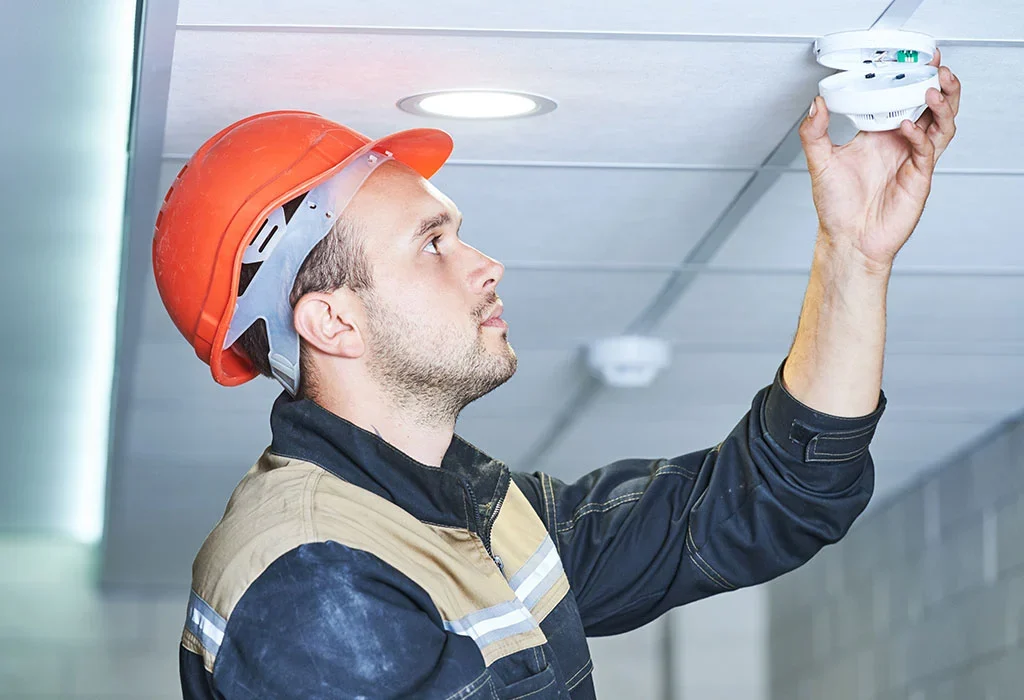
A Grade A Fire Safety Certificate covers a more comprehensive, typically interlinked detection system — the standard expected for HMOs and larger, higher-occupancy properties.

45–60 min

Typical visit

12 months

Recommended re-check

£99.99

Starting price

— Pricing At A Glance

One starting price. Clear additional charges.

Covers up to 3 smoke/heat alarms — extra alarms charged per unit.

Starting Price

Up to 3 Alarms

£99.99

Additional

Per Extra Alarm

+£15.00

Example

6 Alarms

£144.99

*Number of alarms confirmed on-site before testing begins.

— What Is A Grade A Certificate?

A more thorough system, for a higher-risk property type

Grade A covers a more comprehensive fire detection setup — typically fully interlinked smoke and heat alarms with mains power and battery backup, designed to give earlier, more reliable warning across a larger or higher-occupancy building.

This is the standard most commonly expected for HMOs and properties with multiple households sharing common escape routes, where a fire in one part of the building needs to be detected everywhere.

Our engineer tests every alarm, confirms interlinking is working correctly across the whole system, and checks positioning against current guidance before issuing your certificate.

— When You Need This

Four moments that trigger this

— Why It Matters

More occupants means less margin for a slow warning

In shared housing, a fire detected late in one room can trap people in another. A Grade A system exists to close that gap.

Licensing

HMO requirement

A Grade A-standard alarm system is commonly expected as part of HMO licensing conditions.

Tenant Safety

Building-wide warning

Interlinked alarms mean everyone in the building is warned, not just the room where a fire starts.

Liability

Landlord responsibility

As the responsible person for a shared property, you carry direct accountability for fire detection standards.

Managing an HMO?

Fire detection standards are one of the most closely checked parts of HMO licensing. Get it confirmed and certified in one visit.

— Frequently Asked Questions

Everything landlords ask us about Grade A certificates

Requirements vary by local authority and property layout, but Grade A is the commonly expected standard for most HMOs — we’ll confirm what applies to your property.

It means if one alarm detects smoke or heat, every alarm in the system sounds — giving warning throughout the building, not just where the fire started.

Grade D covers standard single-let alarm provision. Grade A is a more comprehensive, typically interlinked system for higher-occupancy properties.

From £99.99 for up to 3 alarms, plus £15 per additional alarm.

Typically 45–60 minutes for a full interlinked system check.

— Book Your Grade A Certificate

Full system checked, certified, done right.

The standard HMOs and shared properties are expected to meet.

Or call 020 4518 8198 — Monday to Friday, 9am–6pm