Book your gas, electrical & fire certificate in minutes

One booking form for residential landlords and commercial premises. Fixed prices, engineer credentials shown upfront, and your certificate delivered to your inbox the same day it's signed off.

Accreditations

Popular Services

Gas Safety Certificate - Landlord Certificate For You London

Gas Safety
Certificate (CP12)

Landlord EICR Test - Landlord Certificate For You

Electrical
Certificate (EICR)

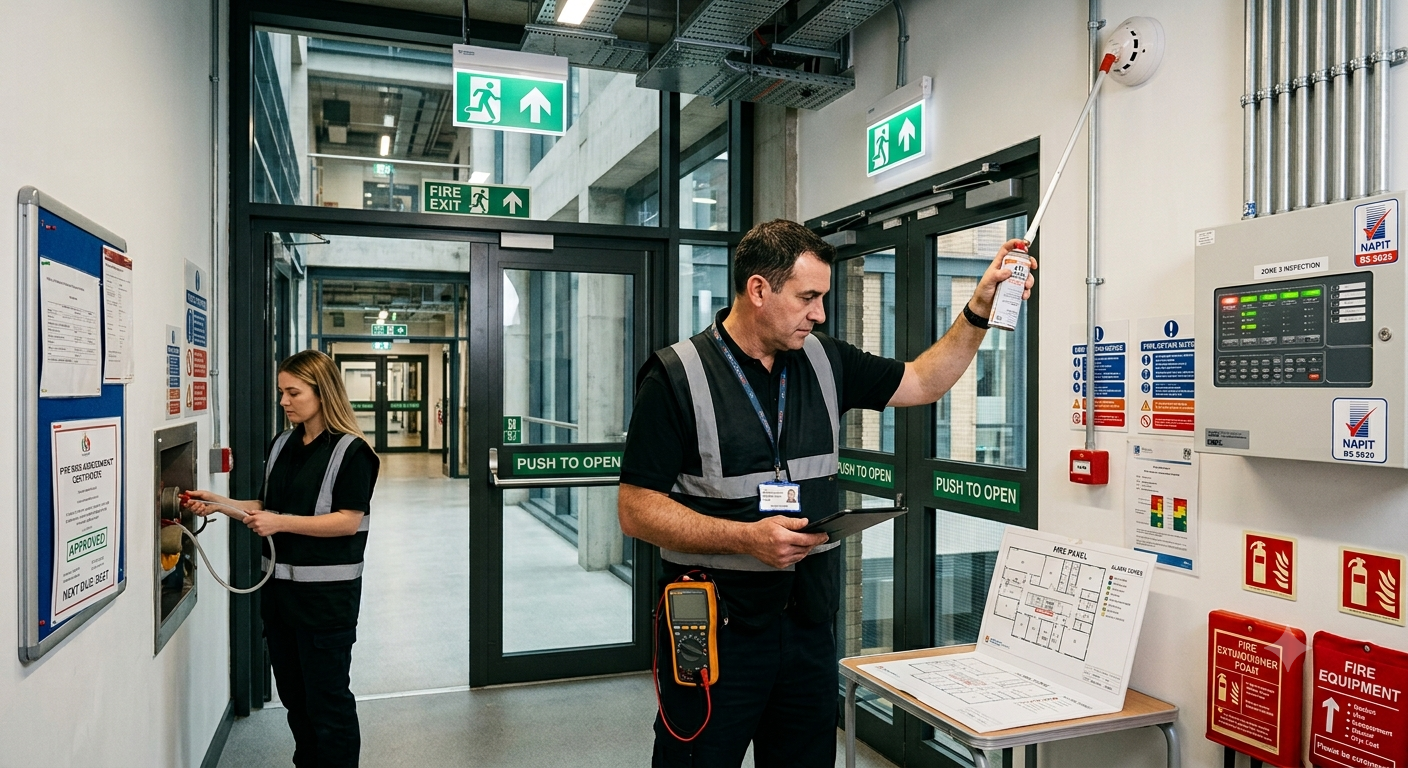
Fire Assessment - Landlord Certificate For You

Fire Safety
Assessment

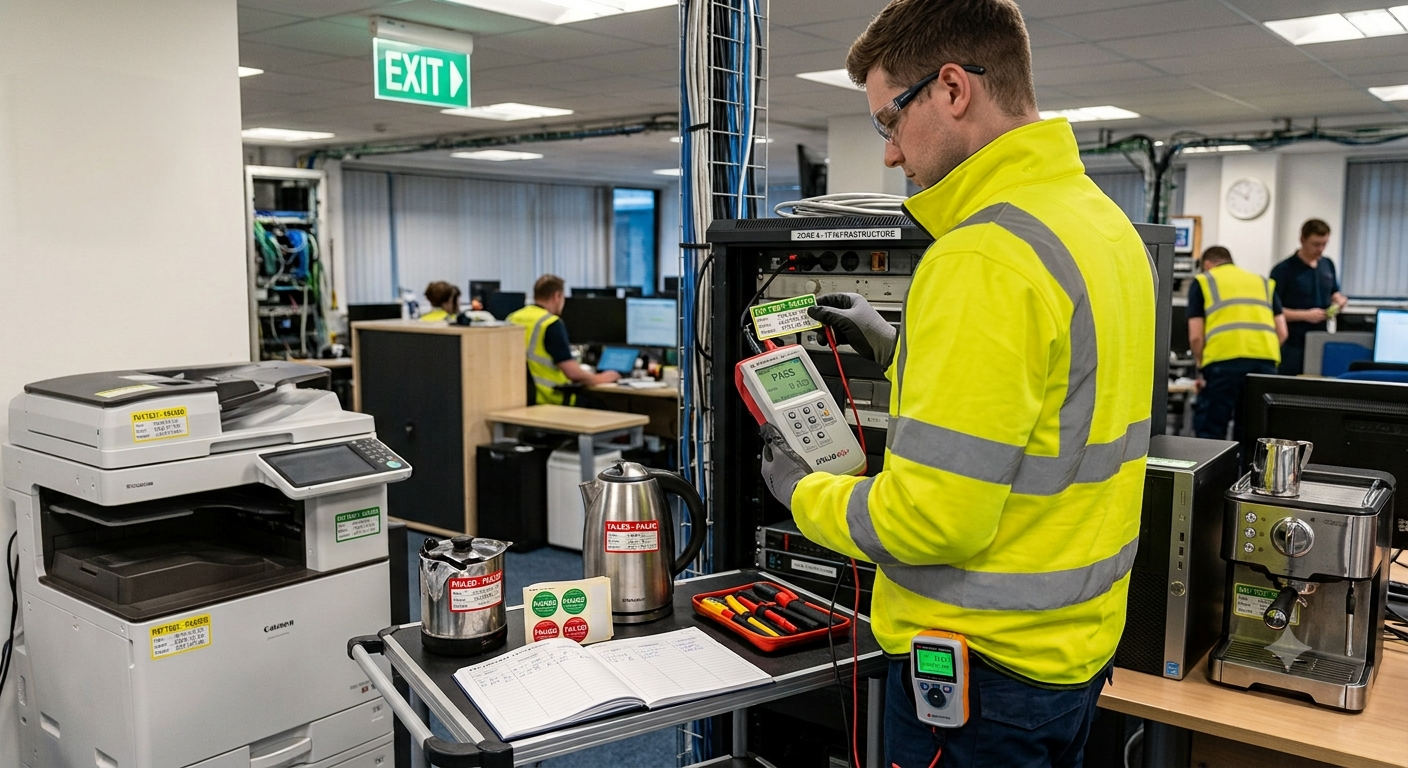
Portable Appliance Test - Landlord Certificate For You

Portable Appliance
Test (PAT)

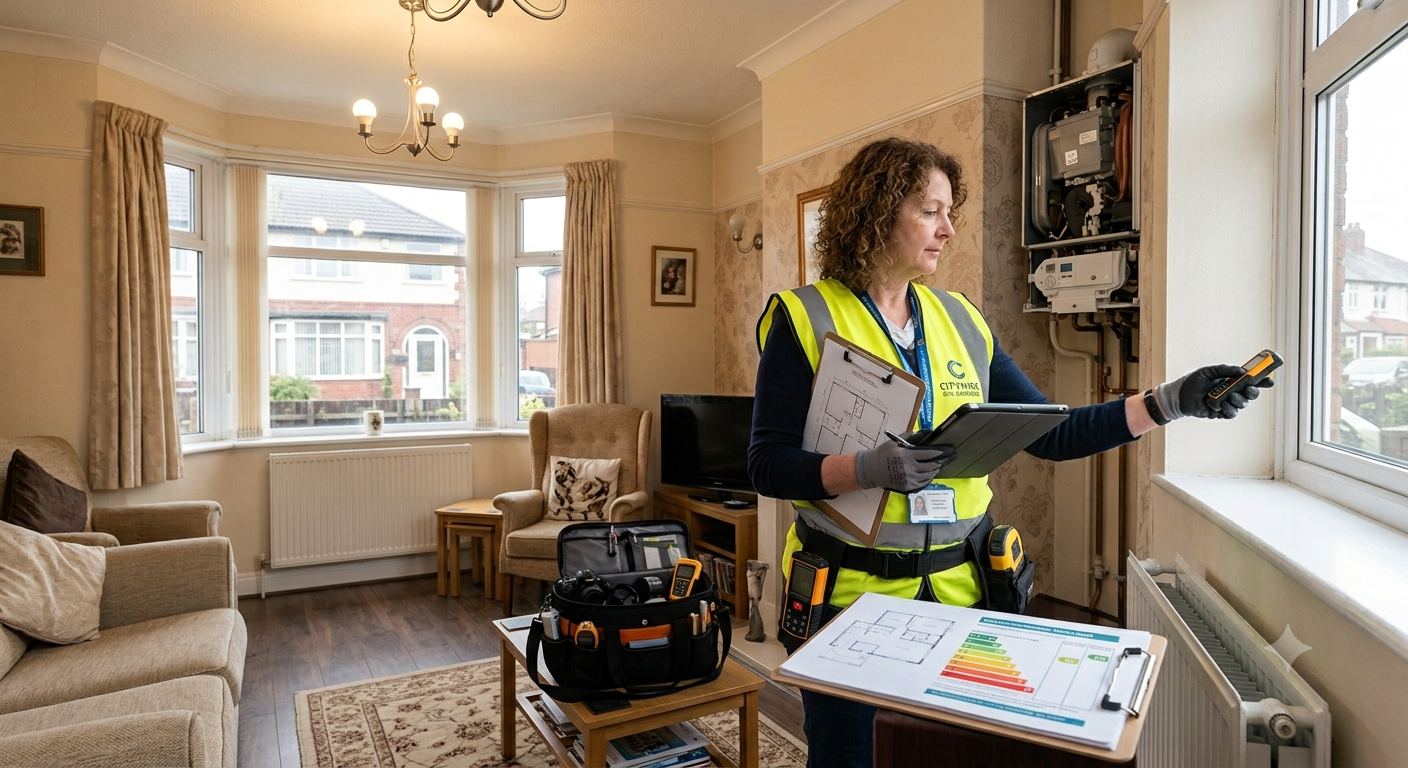
Energy Performance Certificate - Landlord Certificate For You

Energy Performance
Certificate

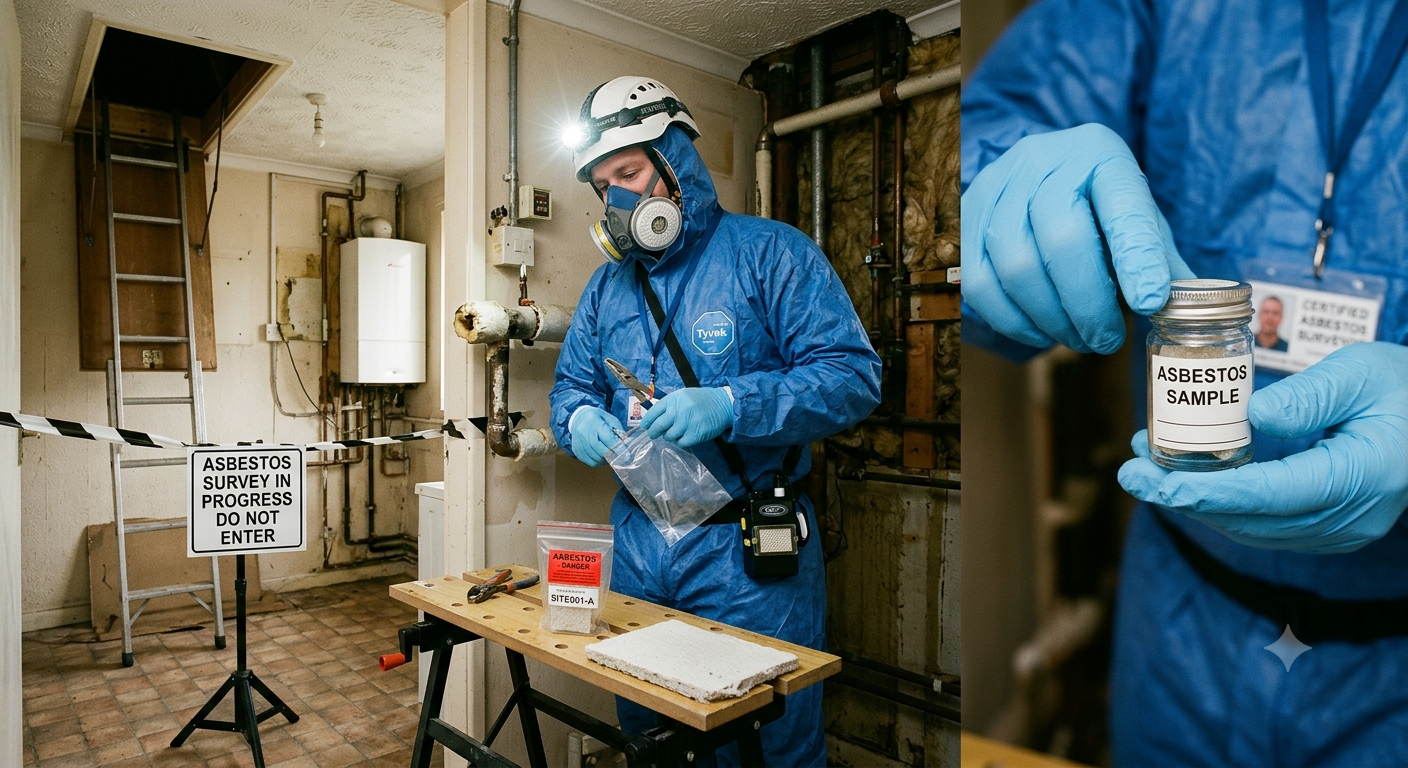
Asbestos Report - Landlord Certificates 4 U London

Asbestos Testing
and Report

Areas Of Expertise

Commercial Properties and Managing Agents

Residential Properties

Block Management and RTM

Local Authorities

Testimonial

Our Customer Reviews

Customer Reviews Go Here

Happy Customers

0 +

Services

0 +
Engineers
0 +

Years Experience

0 +

Frequently Asked Questions

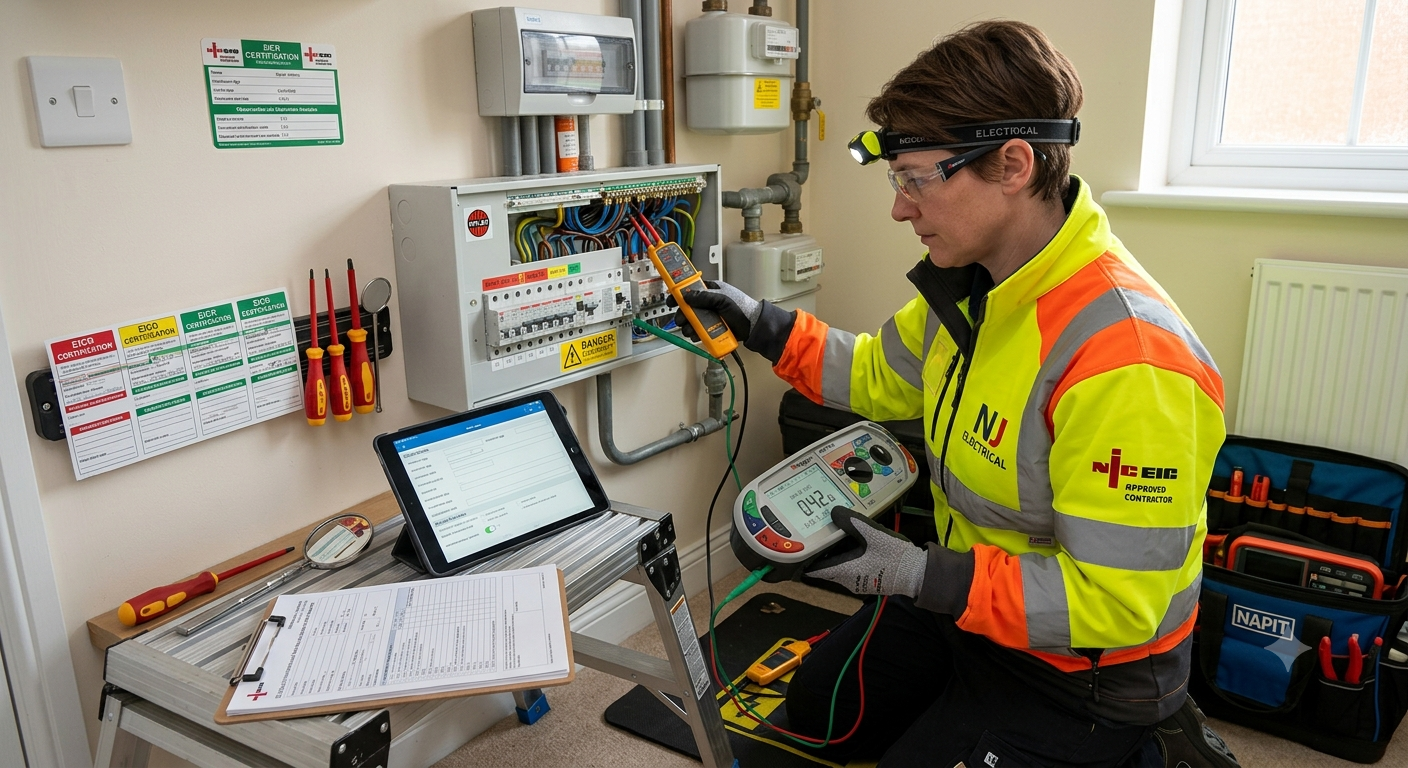
At Electrical Testing London, we provide EICR certificates in London and the South East. We can issue EICR certificates for all types of residential properties and help with all the advice you may need. We can book an appointment with your tenant or vendor and take care of all the administration.
Just contact us today if you have more questions such as how long does an EICR last, or if you just want to learn more about domestic electrical testing. 

We can also provide an estimate for electrical report costs, or alternatively you can book a domestic electrical installation condition report today.

Book an EICR inspection now!

Don’t leave your safety up to chance! We’re known for our speedy remedial work and our fast certificate turnaround times. By hiring a qualified engineer through Landlord Certificates 4 U London who can issue an EICR certificate, you can let us do the hard work.

Just sit back and let us take care of your electrics, and you won’t have to worry about the safety of your family or legal compliance for your tenancies.

You should have electrical remedial work completed as soon as possible after it has been identified as being required. It is usual for the requirement to be identified after an EICR has been conducted.

For Rental Properties

It is a legal requirement for landlords that remedial work be completed within 28 days to make the electrical installation Satisfactory.

For Commercial Premises

Remedial work should be completed as soon as possible to make the electrical installation safe and to help comply with the Electricity at Work Regulations 1989, which are legal statute.

For Owner Occupied Residential Properties

It is advisable to have the remedial work completed as soon as possible for your own safety and that of others in your building. Electrical safety should be a priority.

You can choose whether to rectify only the minimum defects required to achieve a Satisfactory EICR status, which is all C1/C2/FI defects. Or, you can choose to make the installation fully compliant with the latest electrical regulations by having us complete the C3 recommendations as well.

Only qualified professionals may carry out an EICR. You must have the qualifications and experience to check installations according to the 18th Edition of the Wiring Regulations and then be able to provide a report on it. 
Additionally, you must be a member of an approved body or organisation, such as NAPIT, NICEIC and ELECSA. If you have all the correct documentation and qualifications and associations, then you can certify your own properties.

Inferior, damaged, or poorly maintained electrical systems are one of the main causes of fires in the workplace. Furthermore, power loss can occur because of poorly maintained electrical installations, leading to business setbacks and overrun costs.
Contact Electrical Testing London today to arrange your commercial electrical remedial works.

Typical Commercial Electrical Remedial Works

Typical commercial electrical remedial work might include circuit repairs, replacement of distribution boards, replacement sockets and switches, as well as:

  • Replacement light fittings
  • Replacement sockets and switches
  • Repairs to damaged cables
  • Installation of RCD protection
  • Earthing and bonding upgrades and installations
  • Circuit breakers and RCBOs
  • Protection around enclosures
  • Loose and damaged accessories
  • Wiring fault rectification
  • Investigation and rectification of low insulation resistance readings
  • Rectification of ring circuit wiring faults
  • Rectifying earth faults

So, how is remedial electrical work completed? Well, depending on the severity of the issues identified during your Electrical Installation Condition Report (EICR certificate), certain defects will be given priority. Our engineer will work on each defect and rectify it to a satisfactory condition as outlined on our quotation. 

Ranging in severity, there are four observation codes. To achieve compliance, you will need to carry out remedial repairs on any C1, C2 and FI faults immediately. However, rectifying C3 recommendations as well is best practice

Code C1

This is the most severe observation code. It means danger is present and there is an immediate threat to electrical safety. Action is mandatory and you will be issued with a “Electrical Danger Notice” and advised on how we can repair the defect to a satisfactory state, usually we will carry out this repair during the inspection visit.

Any number of C1 defects make the EICR an Unsatisfactory Status.

Code C2

C2 means there is a potentially dangerous defect with your electrical system and urgent corrective work is required. The issue is usually not an immediate concern, but it is likely to become dangerous to property or life if a fault with the electrical installation occurs.

Any number of C2 defects make the EICR an Unsatisfactory Status.

Code C3

Code 3 is a lower-level code defined as ‘Improvement Recommended’. This means a non-regulatory issue has been identified, or an element of the installation is recommended to be improved.

There is no immediate danger, and an EICR can have a satisfactory outcome if there are only C3 codes reported on it.

Code FI

The FI observation code highlights that further investigation into a part of the electrical installation is required. This means our inspector has found something that needs to be looked at in more depth.

You will be given an Unsatisfactory EICR until the inspector can confirm if the installation is safe.

No matter what issues are identified, we will undertake quick and efficient remedial work to render your system compliant with BS 7671, the national standard for electrical installations.

Once remedial works have been satisfactorily carried out, we will issue you with certification for the remedial works themselves and a Satisfactory EICR.

Here are some common defects that require electrical remedial work, categorised under the coded observations:

Examples of C1 Electrical Defects:

If you’re looking for examples of C1 electrical defects that require electrical remedial repairs, then this might be helpful.

An example of a C1 defect is accessible live conductors due to damage or deterioration or due to removed maintenance panels that should be fitted to enclose the live conductors. This defect presents an immediate risk of electric shock and, as such, a risk to life.

An overheating loose cable termination in a distribution board could be considered a C1 defect as it represents a serious fire risk and, as such, is a risk to property and life.

Both examples are considered very serious and pose an immediate danger and should be rectified immediately.

Examples of C2 Electrical Defects

As for examples of C2 electrical defects, this could be anything from incorrectly sized earthing and bonding conductors to your RCD not tripping correctly when tested.

RCD

The latter is seen as a potentially dangerous fault, as the whole point of an RCD is to cut the power in the event of an electrical fault, such as accidentally cutting through a live electrical cable.

MCB

Another example of a C2 electrical defect is an MCB with too low breaking capacity for the installation.

If the fault current (Ka) of your electrical installation exceeds the maximum breaking current of the circuit breakers (MCBs), this is considered a potentially dangerous issue.

EFLI

Finally, you might be issued a C2 code if the EFLI (Earth Fault Loop Impedance) limit specified in BS 7671 is exceeded on a particular circuit, as this would mean that the protective device would not disconnect the supply within the maximum time required by BS7671.

These defects are classed as potentially dangerous and require urgent rectification without delay.

Examples of C3 Electrical Defects

C3 recommendations for improvement are not immediate concerns but are still recommended to be completed. You may be issued with a C3 code if part of your installation doesn’t comply with the latest regulations or amendments but doesn’t pose an immediate risk.

For example, there might be slight damage to a light fitting, but no exposed live parts are present. Or your consumer unit may be manufactured from PVC rather than metal. Metal consumer units are fully compliant as they resist the spread of fire.

We quote all remedial works on an itemised basis so you can choose whether to proceed with C3 recommendations or not.

Technically, you can sell a property with an unsatisfactory EICR, but it may significantly impact the sale process. Potential buyers may request that the electrical issues be resolved before completing the purchase, or they may negotiate a lower price to account for the required remedial work.

 
Once we have repaired all defects with your electrical installation, then we will issue you with an Electrical Installation Certificate (EICR), or a Minor Works Certificate (MW), along with a satisfactory Electrical Installation Condition Report (EICR). These documents are proof that your electrical installation is safe and compliant.

You might be wondering how much electrical remedial works cost. Well, we’re keen to ensure that our electrical work in London is completed effectively, quickly and in an affordable way.
We offer standardised pricing for most residential remedial works in London and across the South East. Please contact us to discuss your requirements and see how we can help.

Prices for Commercial Remedial Works

For commercial remedial works our pricing is bespoke and based on the requirements of the specific job in hand. We can provide a quotation once we understand your needs.

Under government regulations, landlords have 28 days to arrange remedial work. However, for regular residential customers we can arrange to complete repairs on the very same day.

This reduces the number of bookings needed, minimises disruption and cuts costs for your EICR remedial works.

Yes, after all the electrical remedial work is completed, a new Electrical Installation Condition Report (EICR) should be issued to confirm that the electrical system is now safe and compliant.

The validity of an EICR report varies depending on the type of property. For rental properties, it’s generally every 5 years or at each change of tenancy. For homeowner-occupied properties, it’s usually every 10 years. Remedial work should be carried out as soon as possible after issues are identified.